The Song That Found LeAnn Rimes
In 1958, Bill Mack wrote a song called “Blue” and gave it a long life before it ever truly became famous. For years, the song moved from one recording to another, but never fully landed. It was the kind of track people remembered in fragments, not the kind that instantly changed a career.
Then, decades later, a young girl from Texas changed everything.
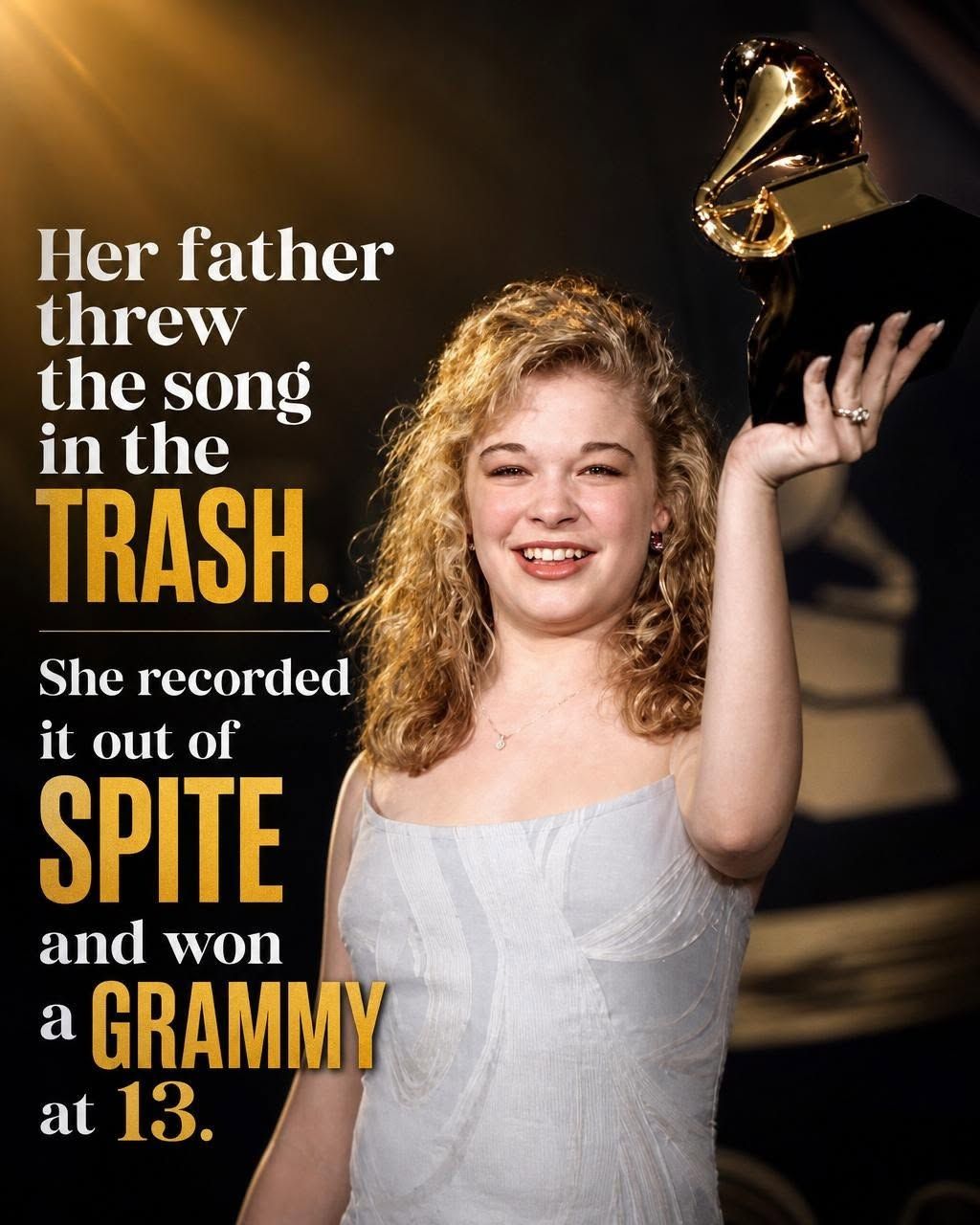
LeAnn Rimes was only 11 years old when she found the demo at home. Her father had thrown it away because he thought it sounded too old-fashioned for her voice and her age. But LeAnn Rimes pulled it back out, listened, and started singing along. What happened next was less about a polished plan and more about instinct, attitude, and a little bit of teenage rebellion.
LeAnn Rimes did not record “Blue” because she thought it was perfect from the start. In fact, she reportedly thought the demo sounded terrible. She recorded it partly to prove a point to her dad. That decision, made in a moment of stubbornness, ended up becoming one of the most important turns in country music history.
A voice that made people stop and listen
When Curb Records released “Blue” in 1996, the response was immediate. The song climbed to the top of the Billboard Country Albums chart, and listeners quickly realized that LeAnn Rimes had a voice far beyond her years. There was something unmistakable about the way she delivered the song: calm, clear, and emotionally direct.
At just 14 years old, LeAnn Rimes won two Grammy Awards, including Best Female Country Vocal Performance. With that win, LeAnn Rimes became the youngest solo artist ever to take home that award. It was not just a milestone for LeAnn Rimes; it was a reminder that talent can appear early and still feel fully formed.
“Blue feels like breathing to me,” LeAnn Rimes once said. That line has stayed with fans for years because it captures something simple and honest: a song can become part of a person’s identity.
Why “Blue” still matters
Three decades later, “Blue” still carries the same emotional weight. It is a song about presence, feeling, and the strange way a voice can turn an old recording into something timeless. The story behind it is just as memorable: a forgotten demo, a skeptical parent, and a young artist with enough confidence to trust her own ear.
LeAnn Rimes did not just sing a song. LeAnn Rimes gave “Blue” a second life, and in doing so, made history. The achievement was remarkable not because it was dramatic, but because it was real. A child found a song, believed in it enough to sing it, and changed the course of her life.
That is what makes the story so enduring. Long before the awards, long before the headlines, there was just an 11-year-old girl in Texas listening closely. And from that small moment came a recording that still feels alive today.